
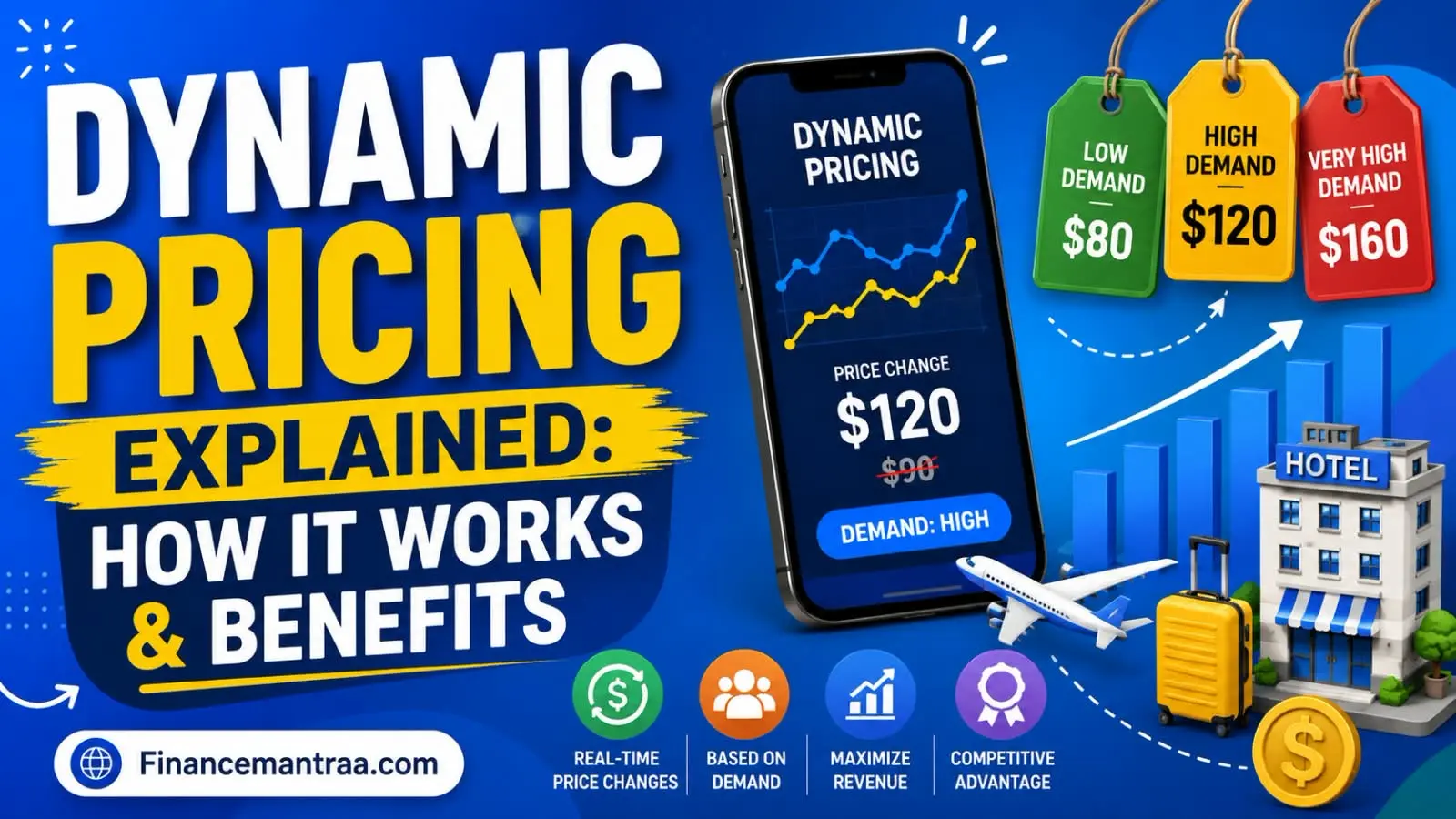
Friends, have you ever opened a cab booking app, checked the fare, waited for a couple of minutes, and suddenly noticed that the price had increased? Tell me the truth, it feels annoying, right? This is a common example of dynamic pricing, strategy businesses use to adjust prices according to demand and other factors.
I first experienced this on a rainy evening in u.p when my usual Ola ride suddenly cost almost twice as much. It made me curious about how these price changes happen behind the scenes.
In this blog, we’ll explore dynamic pricing in simple English, including its meaning, how it works, real-life examples, key benefits, potential drawbacks, and practical tips to save money. Let’s get started!
In This Article
ToggleHighlight key
- Prices change based on demand, time, and stock.
- Cabs, flights, hotels, and online shops use this method every day.
- Businesses earn more and waste less.
- Customers may feel cheated when prices jump suddenly.
- You can save money by planning early and comparing prices.
- It is not the same as surveillance pricing, which uses your personal data.
What Is Dynamic Pricing? Meaning in Simple Words
Dynamic pricing is a pricing strategy in which the cost of a product or service keeps changing according to market conditions. Instead of maintaining the same price every day, businesses adjust their rates based on customer demand, timing, available stock, and competitors’ prices. This method is also known as variable pricing or real-time pricing.
To understand it better, imagine a vegetable seller in your local market. In the morning, he sells tomatoes for ₹30 per kilo. However, if many tomatoes remain unsold by evening, he may reduce the price to ₹20 per kilo to attract more customers. This is a simple, everyday example of dynamic pricing.
Now imagine a computer system performing the same task for lakhs of products within seconds. It continuously analyses market conditions and adjusts prices accordingly. This is how the modern dynamic pricing model works across many businesses.
The main objective of dynamic pricing is to offer the right price at the right time. When demand rises, prices may increase, while lower demand can lead to price reductions. This approach helps businesses respond to changing market conditions and make better pricing decisions.
Also Read: Face Value of a Stock: Meaning & Importance
How Does Dynamic Pricing Work?
Now let’s talk about how it all works. Behind every price change, there is software. It collects data like how many people are visiting a page, how many seats or rooms are left, what rivals are charging, and what time it is.
Then a smart formula, also called a dynamic pricing algorithm, checks this data and picks a new price. Some systems follow simple rules, such as “raise the price by 10 percent when only 20 percent of seats are left.” Others use AI and machine learning to guess demand before it even happens.
They learn from past sales, festivals, weather, and holidays. The whole thing runs in minutes or even seconds. Here is the basic flow:
- Collect data about demand, stock, and competitors.
- Run the formula to find the best price.
- Update the price on the app or website.
- Watch sales and adjust again.
Honestly, it is just smart guessing done at very high speed.
Dynamic Pricing Examples in Real Life
Real examples are all around us, and you probably use them every week. Let’s look at a few.
- Cabs: Ola and Uber use surge pricing when many riders need rides at once, like in rain or office rush hour.
- Flights: Airlines raise fares as seats fill up and as the travel date comes close.
- Hotels: Room rates shoot up during Diwali, New Year, and long weekends.
- Trains: IRCTC has a flexi fare on trains like Rajdhani and Shatabdi, where fares rise as more seats get sold.
- Movies: Ticket rates can change for weekends and big releases.
- Food delivery: Apps may add extra charges when it is raining or very busy.
In my case, I once thought about a Goa flight for one full day before booking. The price had gone up by almost 2,000 rupees. That was a painful lesson. These examples show one thing clearly: timing matters a lot.
Dynamic Pricing in E-commerce
Now let’s talk about e-commerce, because this is where things get really busy. Big online stores like Amazon and Flipkart can change the price of one product many times in a single day.
They watch what other sellers charge, how many people added the item to their cart, and how much stock is left. If a rival drops the price of a phone, the system can match it in minutes.
During big sales like Big Billion Days, prices move even faster. Small sellers also use tools to do the same thing. Here is the good part: you often get a real discount when stock needs to clear.
The not-so-good part is that two people may see different prices for the same item. In my view, checking a product on more than one app is a smart habit. Also, remember that a price that looks like a deal is not always the lowest it has ever been.
Benefits of Dynamic Pricing for Businesses
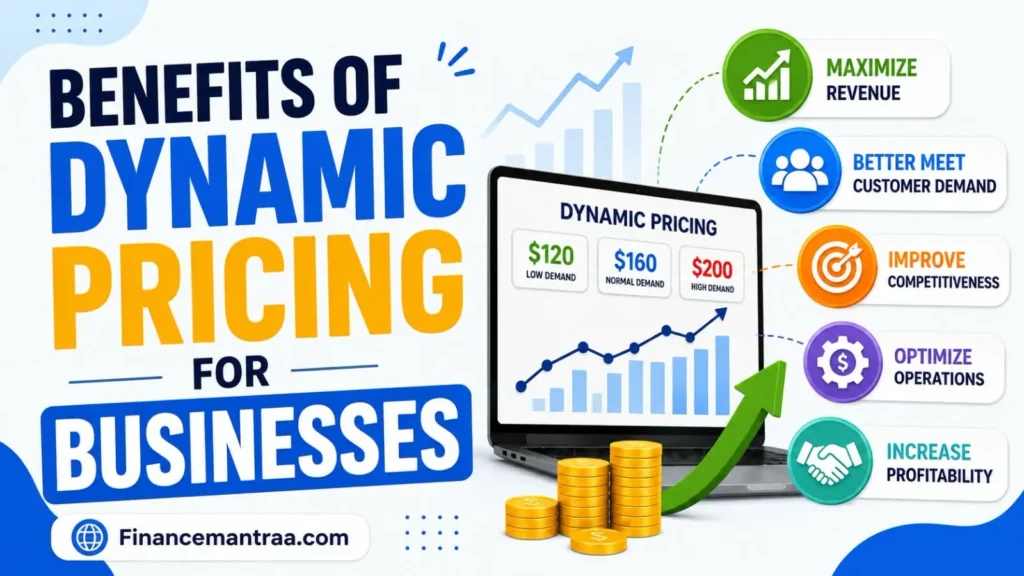
Let’s be fair. This method has real benefits, especially for businesses. These are the main ones:
- More profit: Prices rise when demand is high, so the business earns more.
- Less waste: Extra stock, empty seats, and empty rooms can be sold at a lower price before they go to waste.
- Quick reaction: The business can answer competitor moves right away.
- Better use of data: Owners learn what customers are ready to pay.
- Less manual work: Software does the job that people once did on Excel sheets.
There is a benefit for customers too. Off-peak prices are often lower, so a flexible person can save good money.
For example, a midweek hotel stay is usually cheaper than a Saturday night. If you ask me, this is the best side of a good pricing strategy: when it is done honestly, both sides can win. However, it only works when the business keeps prices fair and clear.
Disadvantages of Dynamic Pricing
Now, tell me the truth, it is not all good. The disadvantages are worth knowing too.
- Customers feel cheated: Seeing a higher price after a few minutes makes people angry.
- Trust drops: If buyers feel the system is unfair, they may leave for good.
- Price wars: When rivals keep cutting prices, everyone’s profit shrinks.
- Hard to set up: Good software and clean data cost money and time.
- Risk of mistakes: A wrong rule can raise prices way too high or drop them too low.
Surge pricing is the most hated example. Paying double during rain or an emergency feels like someone is taking advantage of you. In my opinion, businesses should set a limit on how high a price can go, and they should tell people clearly why the price changed. Without that honesty, this method can hurt a brand more than it helps. Always read the fine print before you pay.
Dynamic Pricing vs Fixed Pricing and Surveillance Pricing
Fixed pricing means one price for everyone, every day, like a packet of biscuits with an MRP printed on it. Variable pricing changes with the situation. Fixed pricing is simple and trusted, but the seller may lose money when demand is high. The changing kind earns more but can upset buyers.
Now, what about dynamic pricing vs surveillance pricing? They are not the same thing. The first one changes prices for everyone based on demand and time. Surveillance pricing uses your personal data, such as your location, phone, or browsing history, to show you a price made just for you.
Many people see this second one as unfair, and some countries are talking about rules for it. If you think as I do, the line is clear: changing prices because of demand is fair, but charging someone more because of who they are is not.
How to Avoid Surge Prices and Save Money
You cannot fully escape it, but you can reduce the damage. Here are tricks that work for me:
- Book early: Flights, trains, and hotels are usually cheaper well before the date.
- Travel off-peak: Choose weekdays and non-festival days when you can.
- Compare apps: Check two or three apps before you pay.
- Wait out the surge: On cab apps, wait 10 or 15 minutes, or walk to a nearby road. The surge often drops.
- Try incognito mode: Some sites may show different prices based on your history.
- Set price alerts: Many apps tell you when the price falls.
- Use offers: Cashback and coupons can cut the final price.
This pricing style will not go away, because it helps businesses a lot. So the smart move is to plan, stay patient, and never buy in a rush if you can avoid it.
Final Thoughts
So friends, now you have a clear idea of dynamic pricing and how it works. In simple terms, it is a pricing strategy where businesses change their prices according to demand, time, and product availability. This approach helps companies increase profits and minimize waste, while customers can also save money by choosing the right time to buy.
However, dynamic pricing is not always beneficial. When prices change too frequently or businesses fail to explain the reasons behind them, customers may feel that the system is unfair.
Have you ever paid a surge price and later regretted your decision? Share your experience in the comments! Before making your next purchase, take a moment to compare prices and choose the best deal.
I hope this article helped you understand dynamic pricing in a simple way. Stay tuned for more useful and informative articles. See you in the next blog!
FAQ's
What is dynamic pricing in simple words?
It means a seller changes the price again and again based on demand, time, and stock. High demand pushes the price up, and low demand brings it down.
How does dynamic pricing work?
Software collects data like demand, stock, and rival prices. Then an algorithm picks the best price and updates it in real time, often within minutes or seconds.
What are some dynamic pricing examples in real life?
Cab surge fares, airline tickets, festival hotel rooms, IRCTC flexi fares, and online shopping prices are common examples. Prices rise with high demand and fall with low demand.
What is the difference between dynamic pricing and surveillance pricing?
Dynamic pricing changes prices for everyone based on demand and timing. Surveillance pricing uses your personal data, like location, to show you a price made just for you.
How can I avoid dynamic pricing and save money?
Book early, travel on off-peak days, compare apps, and set price alerts. On cab apps, wait a few minutes because surge prices often drop after a short time.

My name is Subodh Kumar, and I am a finance blogger at Financemantraa.com with a strong interest in personal finance, investing, and financial research spanning 4–5 years.
I enjoy researching financial topics and explaining complex money concepts in simple, easy-to-understand language. My areas of interest include stock market basics, IPOs, mutual funds, financial planning, insurance, saving strategies, and wealth building.
Through Financemantraa.com, I aim to help readers improve their financial knowledge, understand investment concepts, and make informed financial decisions. I focus on creating practical, beginner-friendly guides that make personal finance easier to understand and apply in everyday life.
I believe that financial education and smart money habits can help people work toward long-term financial stability. My goal is to make reliable, accessible, and informative financial content available to everyone.
Disclaimer: The information published on Financemantraa.com is for educational and informational purposes only. It should not be considered professional financial or investment advice.