
Friends, let’s be honest. Debt feels heavy. It sits on your mind even when you are trying to sleep, eat, or enjoy time with family. If you are reading this, you are probably looking for a real Debt Management Guide that actually works, not some boring textbook advice. I get it. I have been there too, and I want to walk you through this like a friend, not a finance teacher.
In this article, we will explore 15 smart, simple ways to become debt-free in 2026. No hype, no fake promises. Just honest, practical steps you can use starting today.
Highlight key
- A good Debt Management Guide starts with knowing exactly how much you owe.
- Small daily habits matter more than big one-time decisions.
- Debt consolidation and debt settlement are different, and choosing the wrong one can hurt you.
- Emergency funds stop you from falling back into debt.
- Becoming debt-free is a journey, not an overnight fix.
Why You Need a Proper Debt Management Guide
Now let’s talk about why this matters so much. Most people ignore their debt until it becomes too big to handle. I made this mistake myself a few years back. I had two credit cards and kept paying only the minimum payment every month. I thought I was doing fine. In reality, the interest was eating me alive.
A solid Debt Management Guide is not just about paying money back It means changing the way you see money. Once your mindset shifts, the actions become much easier. Tell me the truth, have you ever avoided opening your credit card statement because you were scared to see the number? Many of us have. That fear is normal, but staying in that fear does not help you.
This guide will help you understand how to manage debt effectively in 2026, step by step,
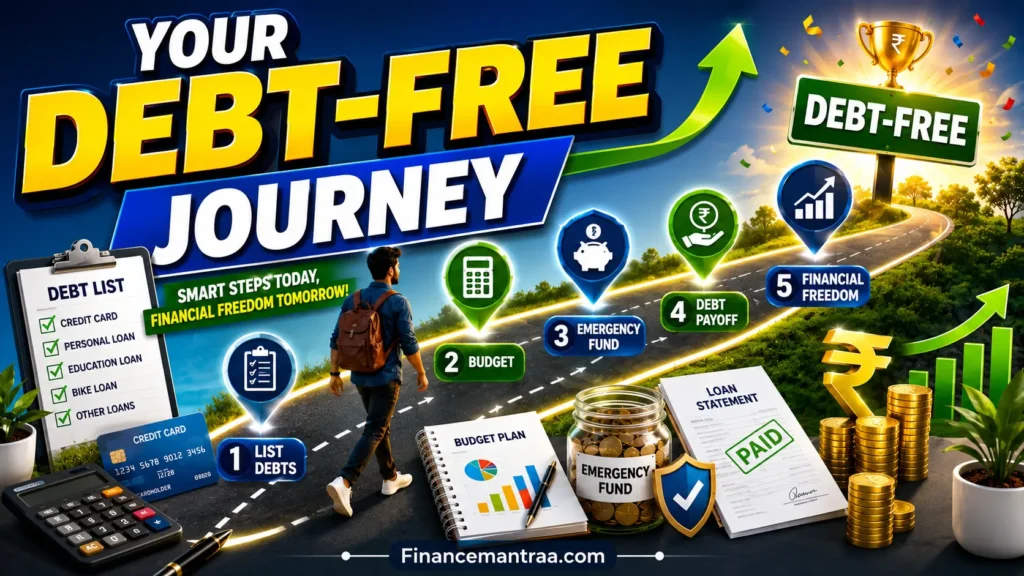
Step 1: List Every Single Debt You Have
Before you fix anything, you need a clear picture. Write down every loan, every credit card, every small borrowed amount from friends or family. Include the interest rate and the minimum payment for each one.
This step feels boring, but honestly, it is the foundation of any personal debt management plan. Without this list, you are just guessing. And guessing with money never works well.
Step 2: Understand the Real Cost of Your Debt
Once you have your list, look closely at the interest rates. Credit card debt usually has the highest interest, sometimes 30% or even more per year. Personal loans are usually lower, and secured loans like home loans are the cheapest.
This is where credit card debt management becomes so important. If you think like I do, you will agree that paying only the minimum on a credit card is one of the worst financial habits. It keeps you stuck for years.
Step 3: Choose Between the Snowball and Avalanche Method

These are two popular debt repayment strategies, and both work, just in different ways.
- Snowball Method: Pay off your smallest debt first, no matter the interest rate. This gives you quick wins and keeps you motivated.
- Avalanche Method: Pay off the debt with the highest interest rate first. This saves you more money in the long run.
In my experience, the snowball method works better for people who need motivation. The avalanche method works better if you are disciplined and just want to save the most money. Pick whichever one keeps you consistent, because consistency beats perfection every time.
Step 4: Create a Realistic Debt Payoff Plan
A debt payoff plan is simply a schedule. It tells you which debt to pay, how much, and by when. Do not make it too strict, because you will just give up in a few weeks.
Set small monthly targets instead of huge unrealistic goals. For example, instead of saying “I will pay off everything in 3 months,” say “I will pay off this one credit card in 4 months.” Small wins keep you going.
Step 5: Cut Down Unnecessary Expenses
This is not fun, but it works. Look at your monthly spending and find things you can cut without hurting your life too much. Maybe it is extra subscriptions, eating out too often, or impulse online shopping.
However, do not cut everything at once. That leads to frustration and quitting. Cut slowly, one habit at a time. Budgeting for debt does not mean living a miserable life. It means being smart about where your money goes.
Step 6: Build a Small Emergency Fund First
Friends, this step surprises many people. You would think all extra money should go toward debt, right? Not exactly. If you have zero savings and an emergency happens, you will just borrow again.
Start with a small emergency fund, even ₹5,000 or ₹10,000. This small cushion protects you from falling back into the debt cycle when life throws a surprise expense at you.
Why Emergency Funds Matter in Debt Reduction Tips
Most debt reduction tips ignore this part, but it is honestly one of the most important. An emergency fund is not about the amount. It is about breaking the habit of borrowing every time something unexpected happens.
Step 7: Automate Your Payments
Set up automatic payments for at least the minimum amount on every debt. This protects your credit score from late payment damage. Late fees and penalty interest can quietly destroy your progress.
Automation removes the chance of forgetting, and honestly, our brains are not built to remember every due date perfectly.
Step 8: Understand Debt Consolidation vs Debt Settlement
This confuses a lot of people, so let’s clear it up.
- Debt Consolidation means combining multiple debts into one loan, usually with a lower interest rate. Your credit score is not badly affected, and this is a safer option for most people.
- Debt Settlement means negotiating with your lender to pay less than what you owe. This sounds attractive, but it seriously damages your credit score and can have tax implications.
If something is good, I will say it is good, and debt consolidation is genuinely helpful for many people. But debt settlement should be your last option, not your first choice.
Step 9: Negotiate With Your Lenders
Many people do not know this, but lenders are often open to negotiation. If you are struggling, call them before you miss a payment. Ask about lower interest rates, extended timelines, or temporary relief options.
Banks generally prefer working with you rather than losing the full amount. It never hurts to ask politely and explain your situation honestly.
Step 10: Avoid Taking New Debt While Repaying Old Debt
This sounds obvious, but it is one of the most common mistakes. People take a new loan to pay an old one, and the cycle just continues. This is called the debt trap, and it is extremely hard to escape once you are in it.
If you are serious about your debt-free journey, this rule is non-negotiable. No new credit cards, no new personal loans, until your existing debt is under control.
Step 11: Increase Your Income Where Possible
Cutting expenses has a limit, but increasing income does not. Look for small side income options, freelancing, part-time work, or selling things you no longer need. Every extra rupee you earn can go directly toward your debt.
This is not about working yourself to exhaustion. Even a small side income of a few thousand rupees monthly speeds up your debt payoff plan significantly.
Step 12: Track Your Progress Every Month
Review your debt list every month. Seeing the numbers go down is honestly one of the best feelings. It keeps you motivated and shows you that your financial debt planning is actually working.
I personally check my numbers on the first of every month. It takes ten minutes, but it keeps me accountable and focused.
Step 13: Learn Basic Money Management Tips
A good Debt Management Guide is incomplete without basic money management tips. Learn to differentiate between needs and wants. Learn to say no to things that do not add real value to your life.
This is not about being cheap. It is about being intentional with your money so debt does not control your life anymore.
Step 14: Get Professional Help If Needed
There is no shame in asking for help. If your debt feels too big to handle alone, talk to a certified financial advisor or a debt counselor. They can guide you through debt relief options that fit your specific situation.
However, be careful. Research any advisor thoroughly before paying them fees. Unfortunately, some fake advisors take advantage of people in financial stress.
Step 15: Celebrate Small Wins Along the Way
Finally, do not forget to celebrate. Paid off one credit card? Celebrate with something small, not something expensive that puts you back in debt. This keeps the journey enjoyable instead of feeling like punishment.
Becoming debt-free is not a sprint. It is a marathon, and marathons need small celebrations along the way to keep you going.
Final Thoughts
Friends, debt is stressful, but it is not permanent. With the right debt management approach, patience, and consistency, you can absolutely become debt-free. I have seen people clear years of debt just by following simple, honest steps like the ones above.
Therefore, do not wait for the perfect time to start. Start today, even with one small step. Your future self will genuinely thank you for it.
Disclaimer
This article is just for general information and educational purposes. The things mentioned here are not financial advice. Before taking any loan, settling debt, or making any money-related decision, be sure to consult a certified financial advisor or bank according to your financial situation.
FAQ's
What is the fastest way to become debt-free?
The fastest way is combining the avalanche method with extra income and strict budgeting. Focus on high-interest debts first for quicker, lasting results.
Is debt consolidation a good idea?
Yes, for most people it is safer than debt settlement. It lowers interest rates and simplifies payments without seriously damaging your credit score.
How can I manage credit card debt effectively?
Pay more than the minimum amount, stop new purchases, and consider transferring the balance to a lower interest card if possible.
Does debt settlement hurt my credit score?
Yes, debt settlement usually lowers your credit score significantly and stays on your credit report for several years afterward.
How much emergency fund should I have while repaying debt?
Start small, around ₹5,000 to ₹10,000. This prevents new borrowing during unexpected expenses while you repay existing debt.
Can I improve my credit score while paying off debt?
Yes, timely payments, low credit usage, and avoiding new loans steadily improve your credit score during your debt-free journey.